Regenerative Mixed Production
We are a family farm in Lincoln, Buenos Aires. We integrate livestock and crop farming to regenerate the soil, produce trustworthy food and build a biological capital that lasts for generations.
We are a family farm in Lincoln, Buenos Aires. We integrate livestock and crop farming to regenerate the soil, produce trustworthy food and build a biological capital that lasts for generations.
The project
At Grupo La Cecilia we integrate livestock and crop farming under a single approach: regenerative mixed production. We run an integrated mixed system based on the principles of agroecology and holistic management, focused on the full cattle cycle —breeding, backgrounding and finishing— and on producing non-conventional grains, combining planned grazing, rotations and service crops so that each activity improves the other — and all of them improve the soil.
Our purpose is to turn conventional production into a living regenerative model that heals the soil, boosts biodiversity and produces trustworthy, traceable food. True to our family legacy, we manage the farm holistically to beat climate change, improve the ecosystem and foster the development of the human team that makes it possible.
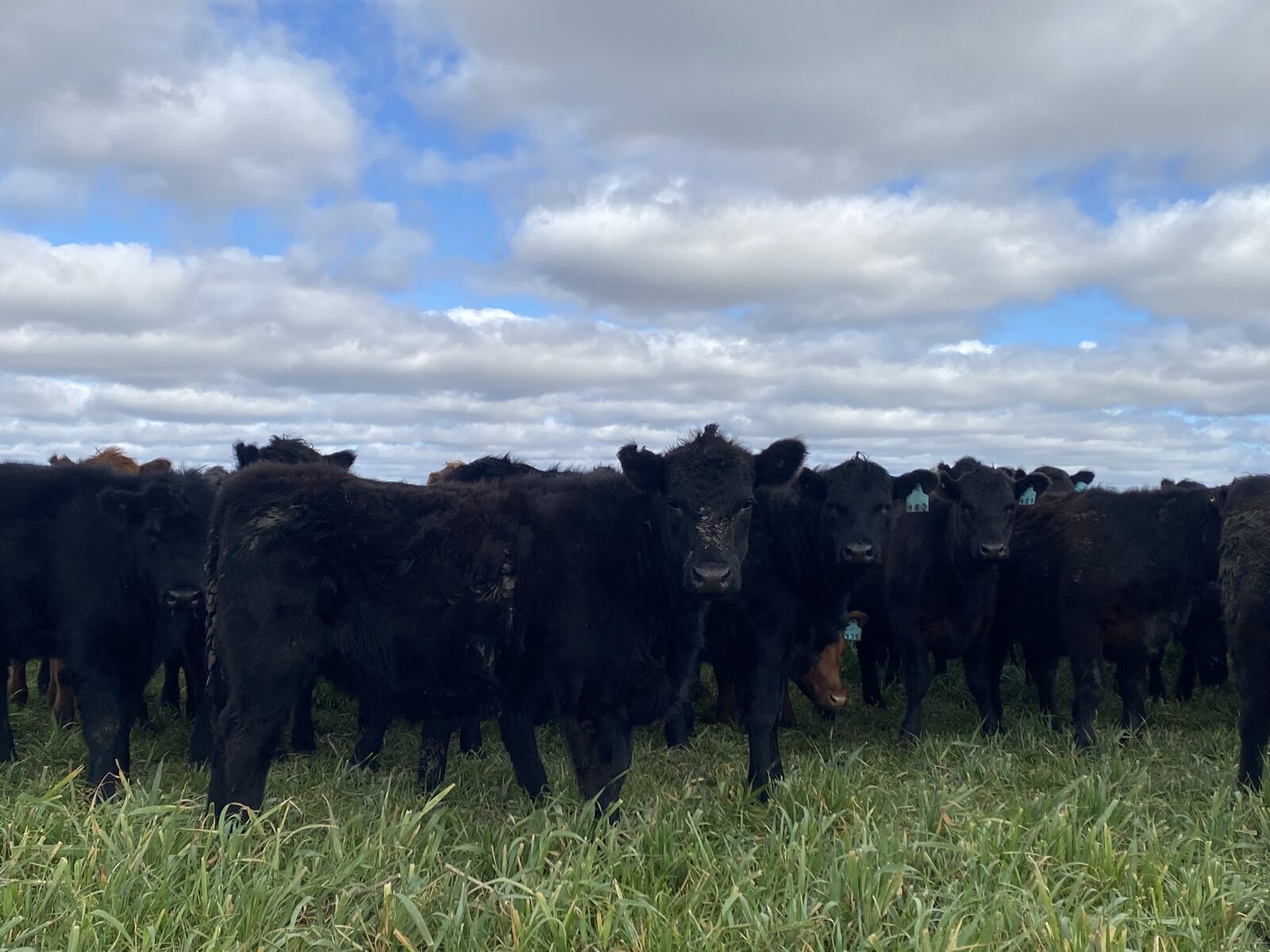
Planned rotational grazing that mimics natural cycles: the herd harvests the grass, fertilizes the paddock and gives the soil the rest it needs to recover with more vigor.
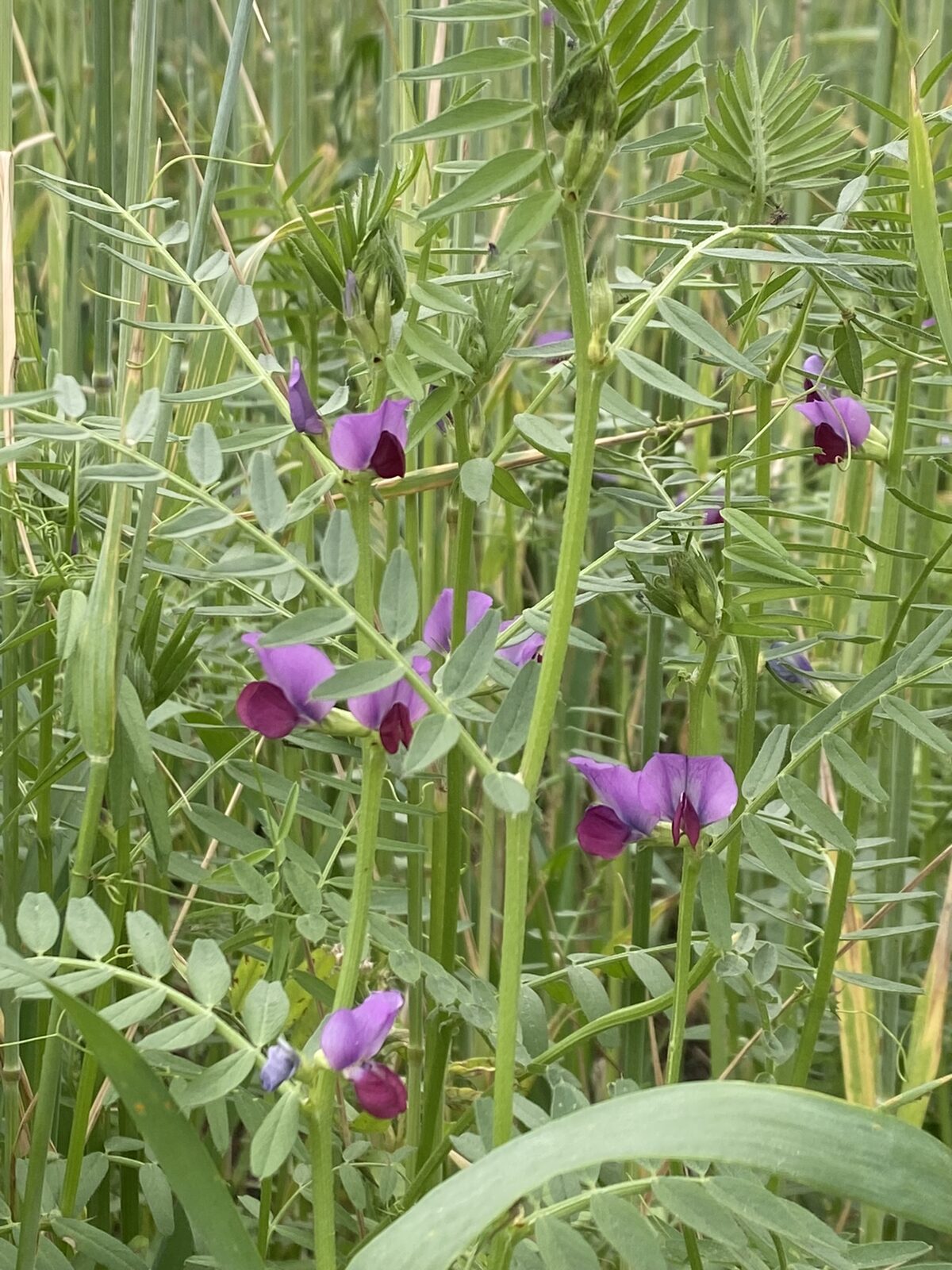
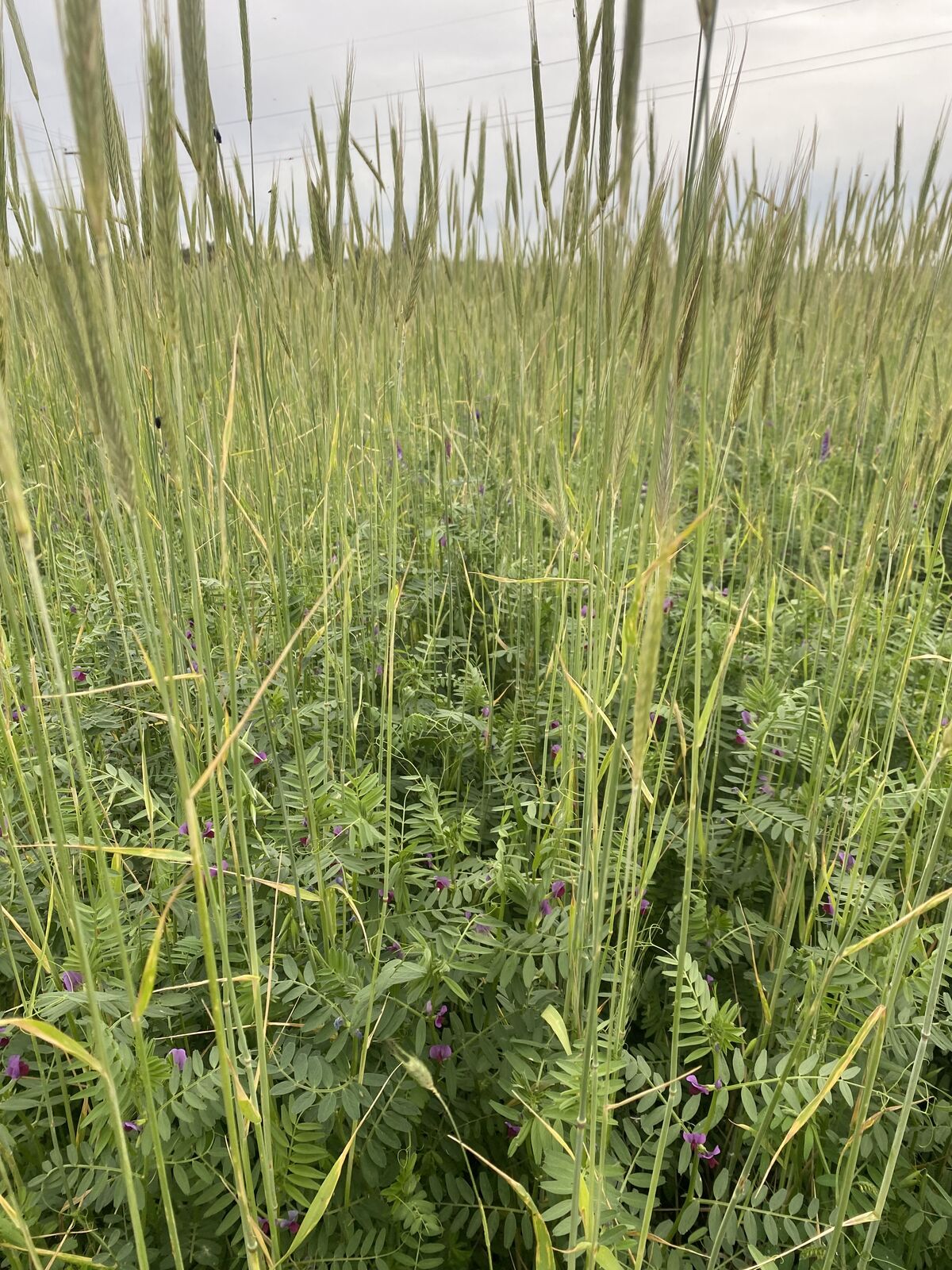
Diverse rotations and service crops that keep the soil always covered and alive, reduce inputs and increase organic matter year after year.
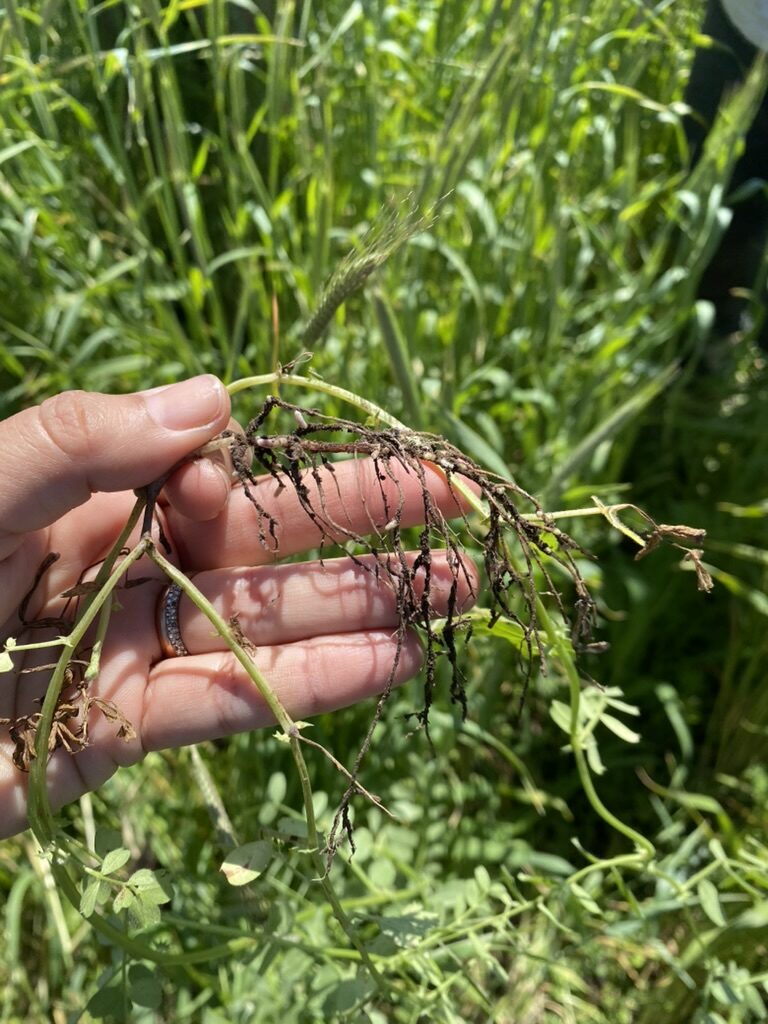
We measure what matters: ground cover, infiltration, soil biology. Healthier soil produces more kilos, holds more water and is worth more over time.
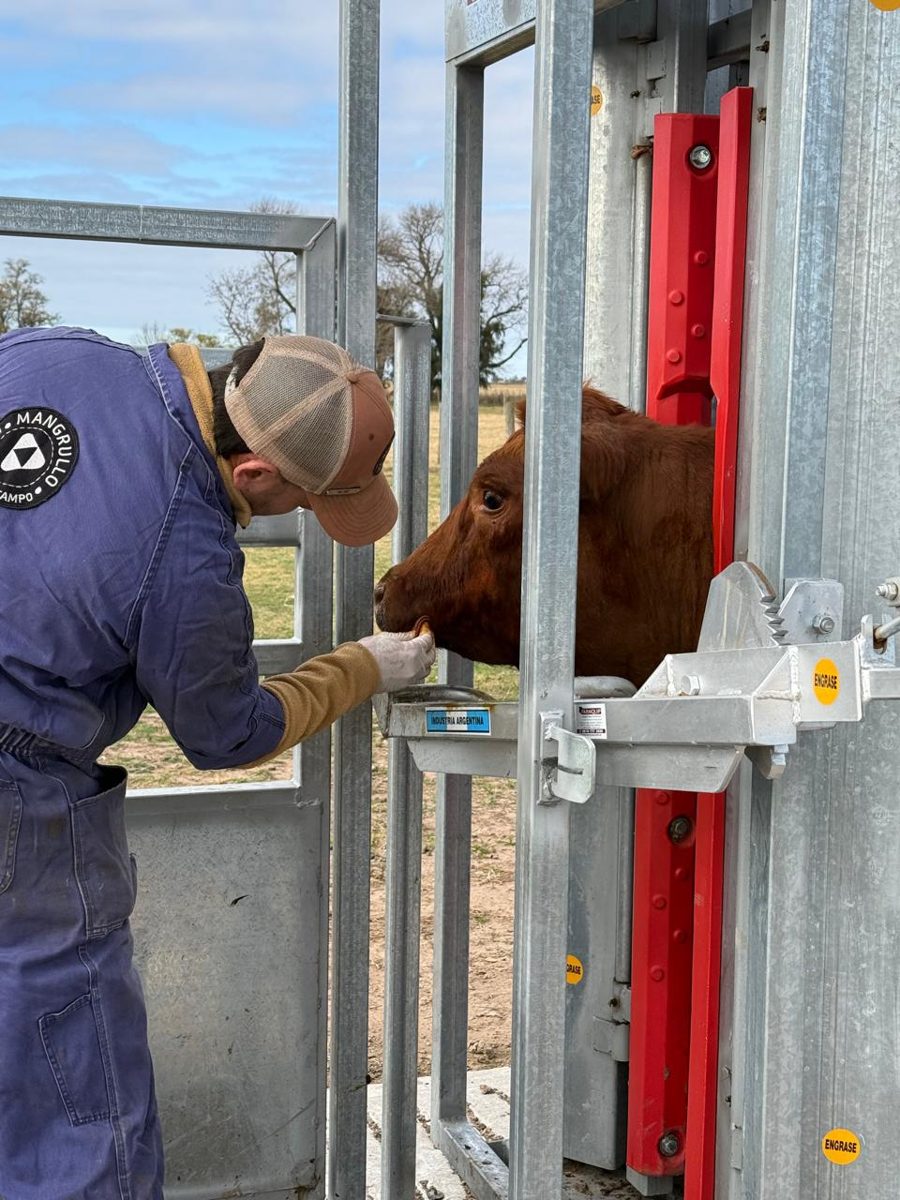
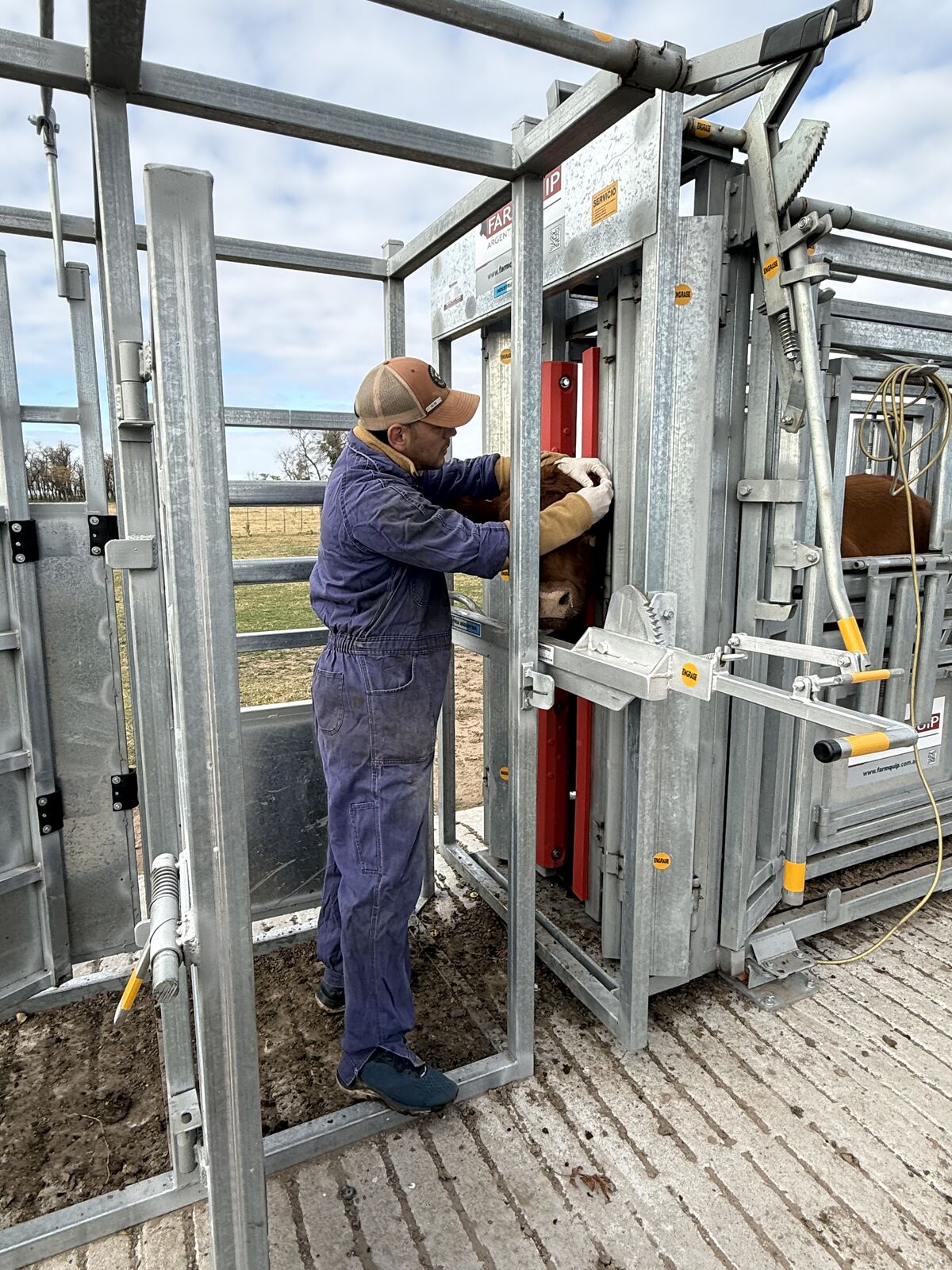
Permanent technical monitoring by our veterinary team. Every animal traced and controlled from day one.
What we produce
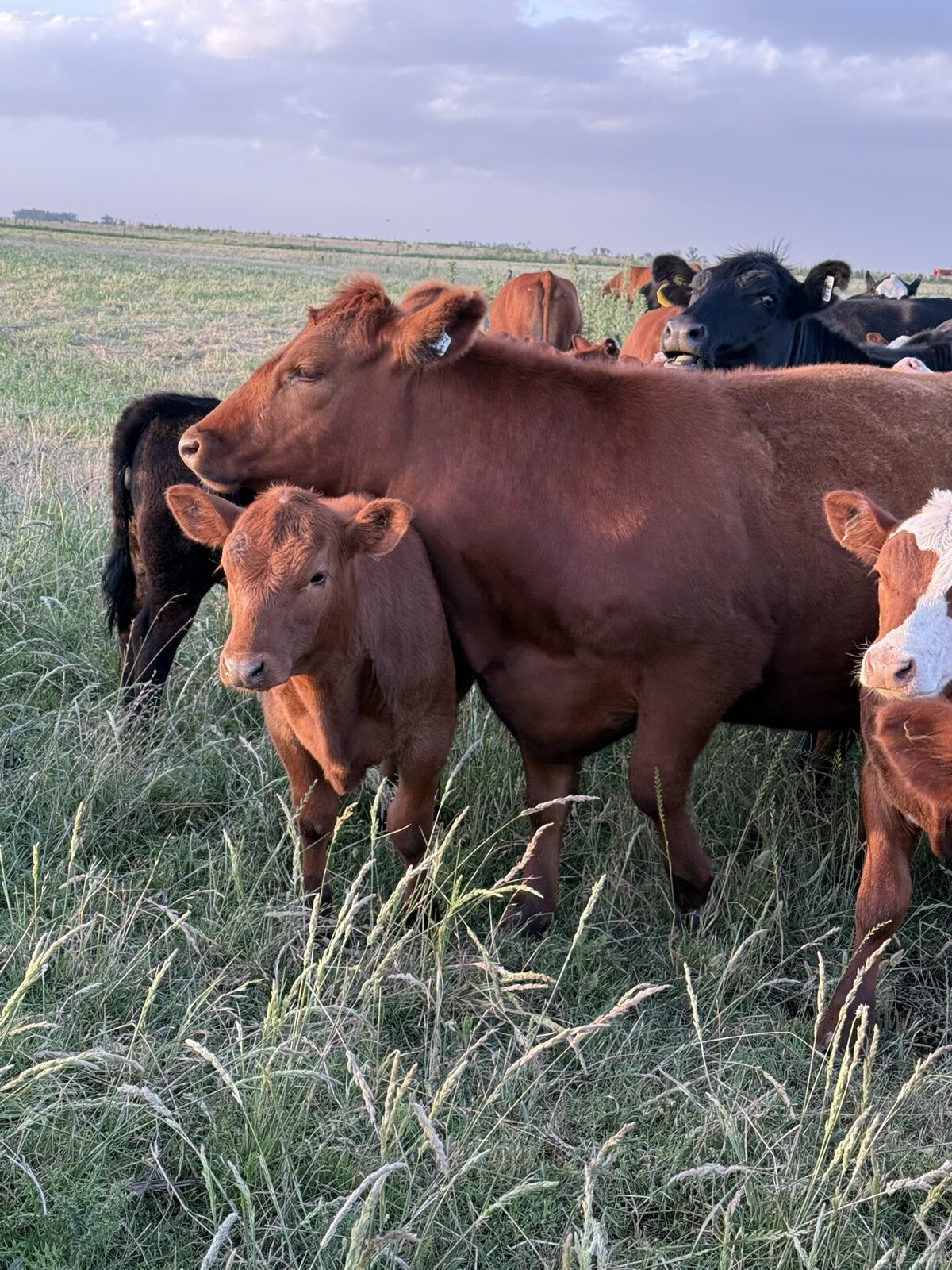
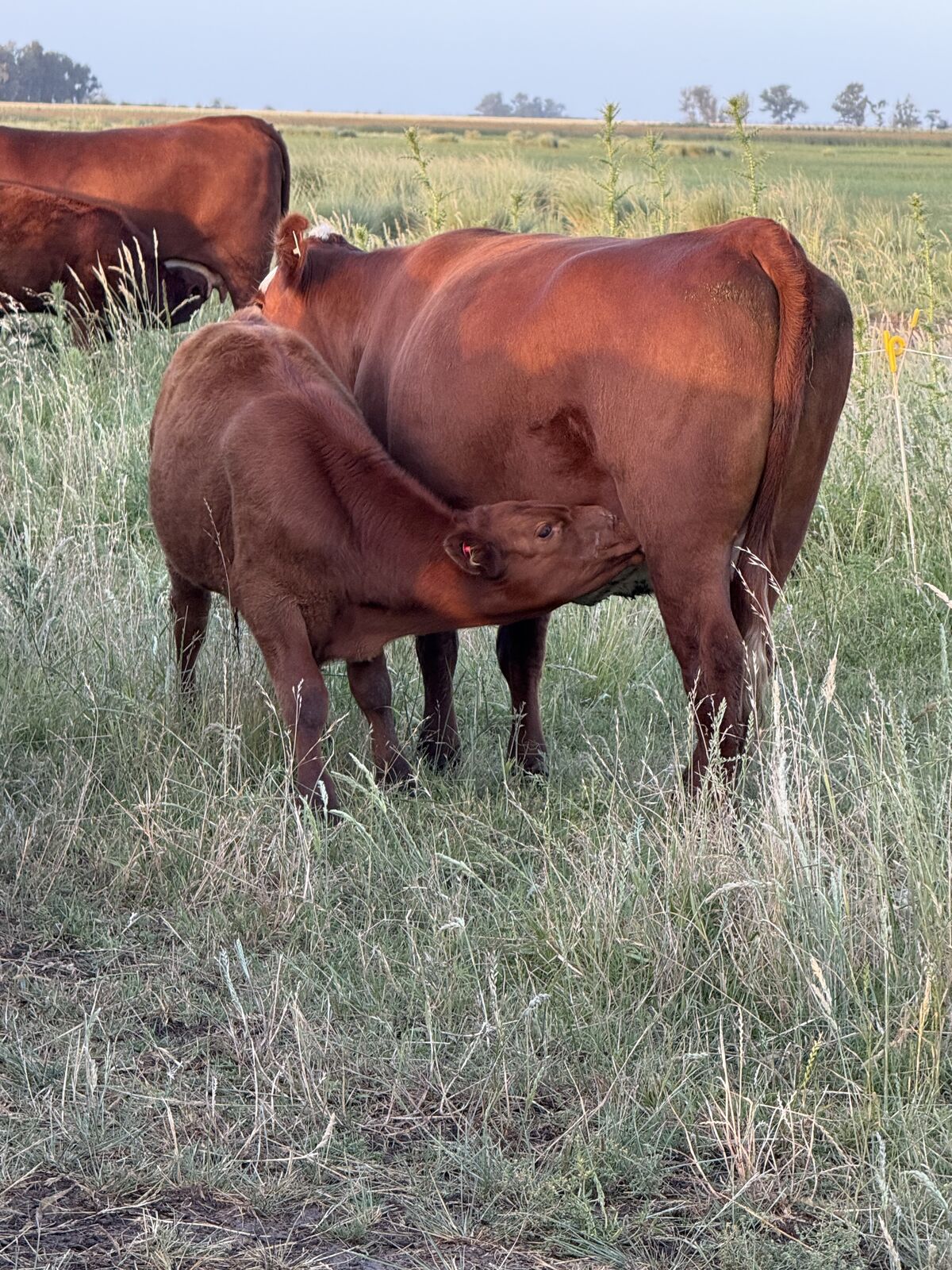
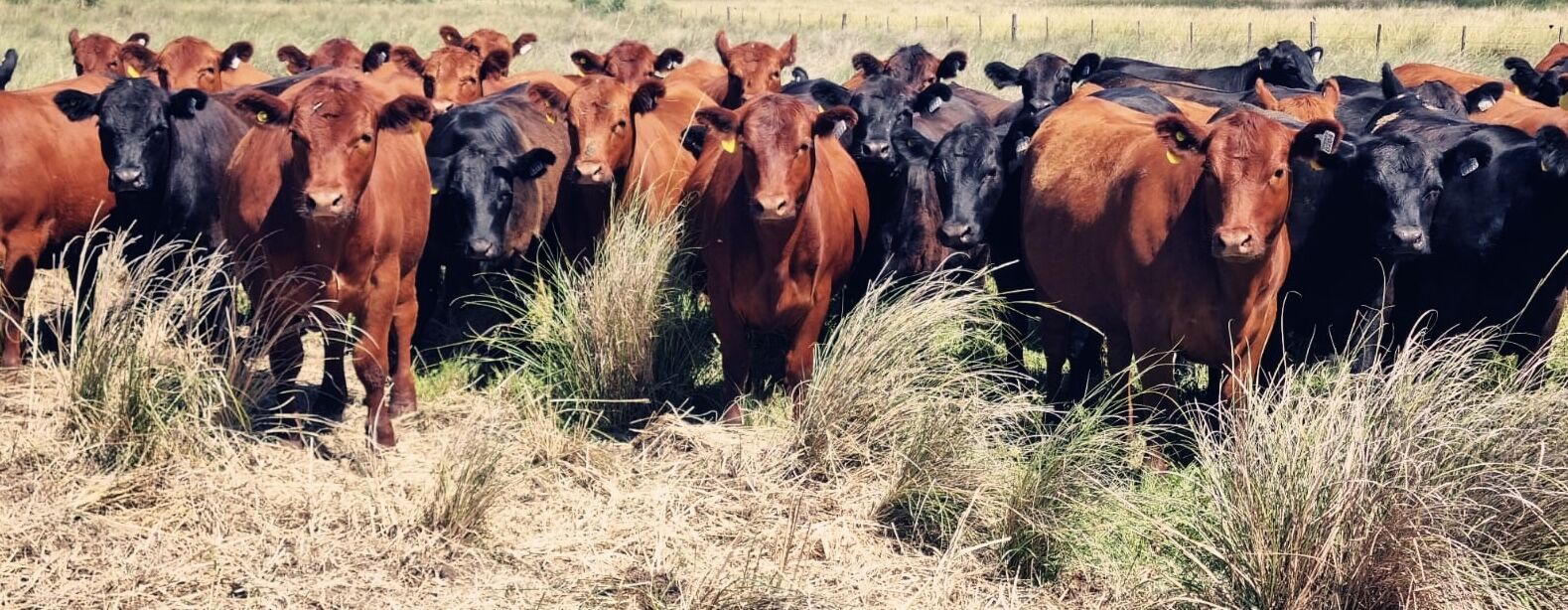
Calves backgrounded 100% on multispecies pastures with rotational grazing and holistic management.
Grass-raised heifers, inseminated with Angus genetics for restocking our own herd and/or sale.
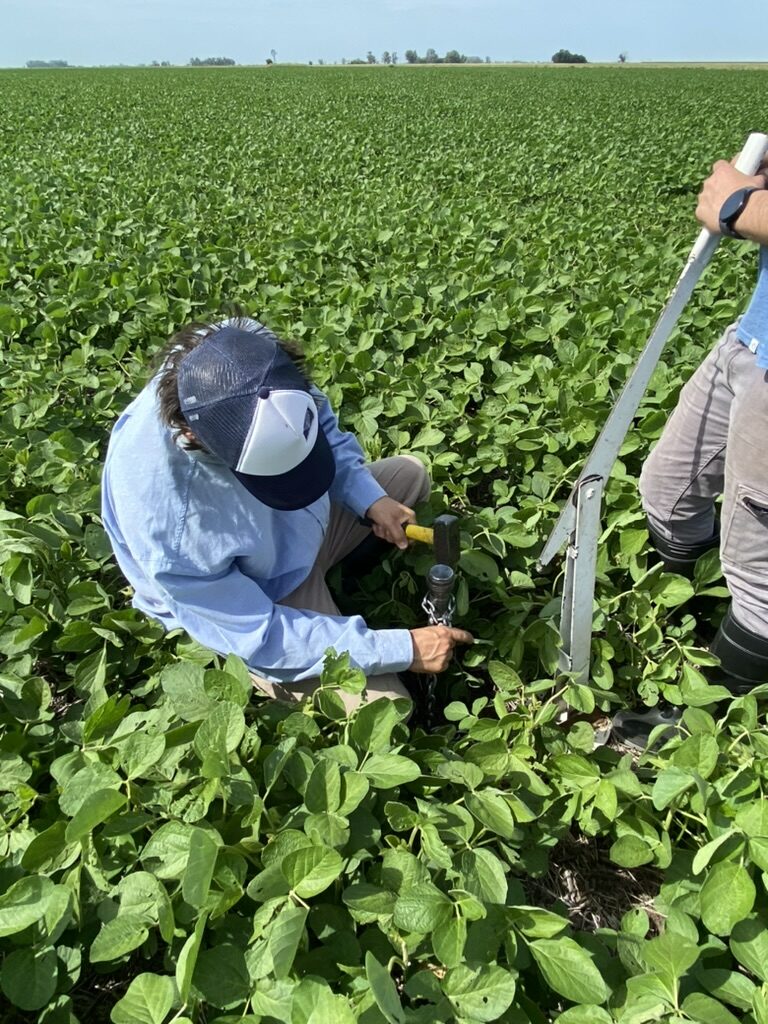
Non-conventional grains: non-GMO soybean, camelina, triticale, rye and hairy vetch. Conventional grains such as corn and wheat, sold traditionally.
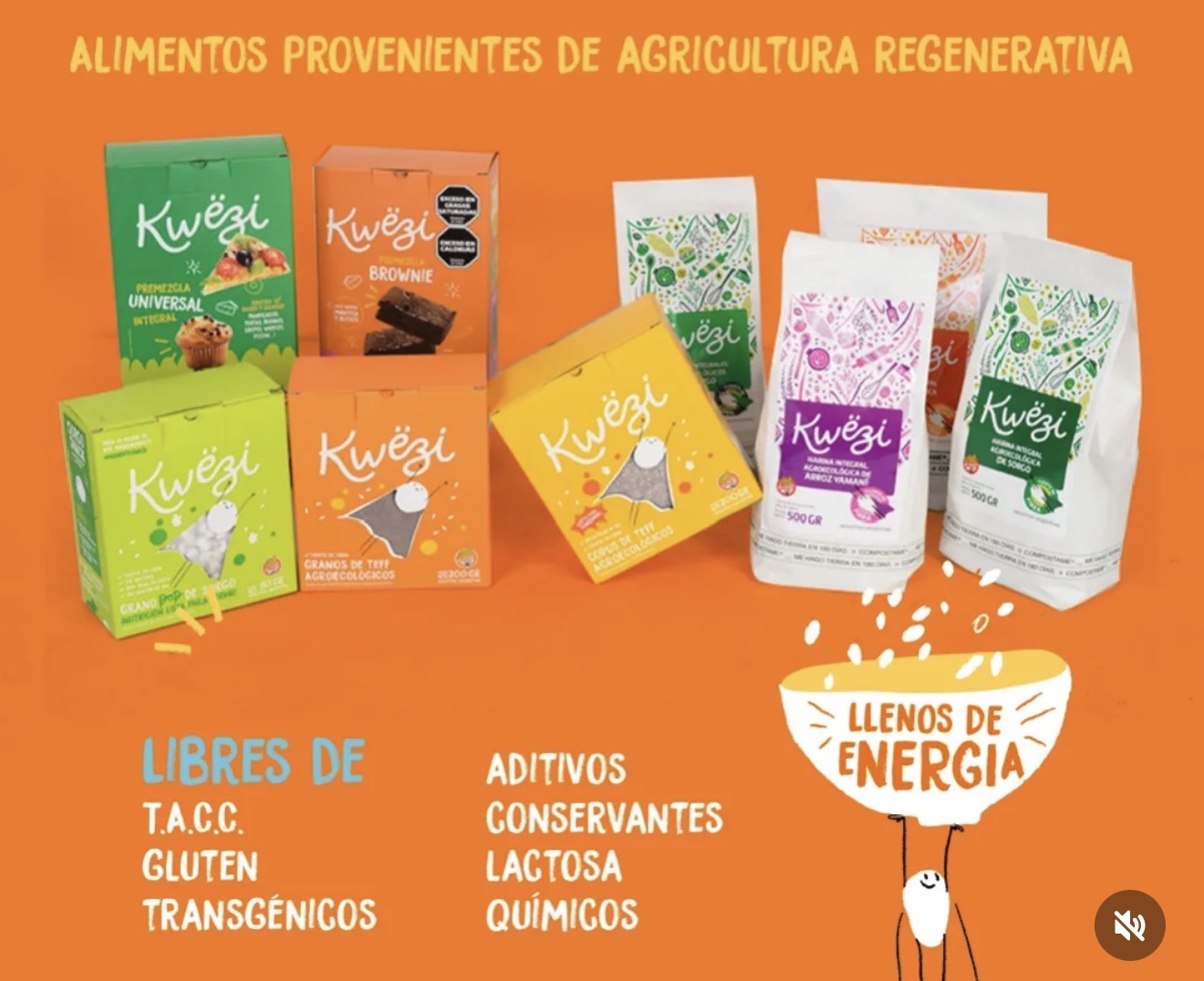
Synergy with our own venture Kwëzi (@fullofkwezi), where we grow and supply white sorghum and teff for gluten-free foods.
We take in third-party animals and background them on our multispecies pastures with regenerative management: you provide the cattle, we provide the grass and the management.
Why regeneration matters
A farm managed with planned grazing doesn't only produce meat: it works like a pump that pulls carbon out of the air and stores it in the ground. Pastures capture CO₂ through photosynthesis and, with the right trampling and rest, that carbon moves down to the roots and stays stored underground. The result is livelier soil that holds more water, withstands drought better and produces more kilos year after year.
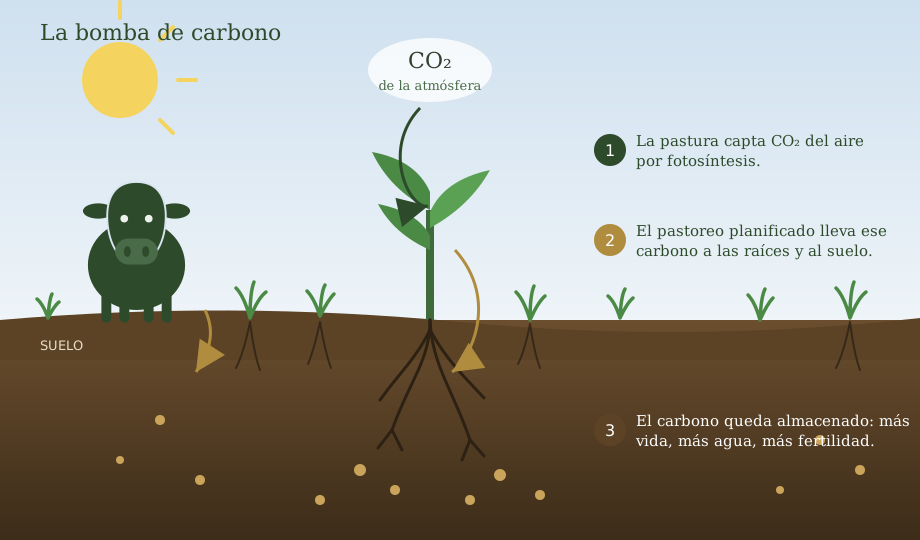
Multispecies pastures develop deeper, more abundant roots that open up and structure the soil: rainwater infiltrates better, is stored at depth and stays available to plants. This way the farm makes the most of every millimeter and withstands dry summers better.
Soil with active biological life cycles its own nutrients. We produce without depending on synthetic chemical inputs.
Every kilo produced under this management helps regenerate the land instead of degrading it: profitability and environment in the same direction.
We harness the benefits of cover crops: an always-green paddock works in favor of the system all year long.
Regeneration is not a story: it's a process we measure cycle after cycle. These numbers show a system that improves year after year. This is how our indicators evolved from the 2023-24 cycle until today.
Of the cropping area with cover crops: living soil 365 days a year.
Of the cropping area converted to perennial multispecies pastures.
Of biological inputs replacing synthetic chemicals: fungicides, inoculants and fertilizers.
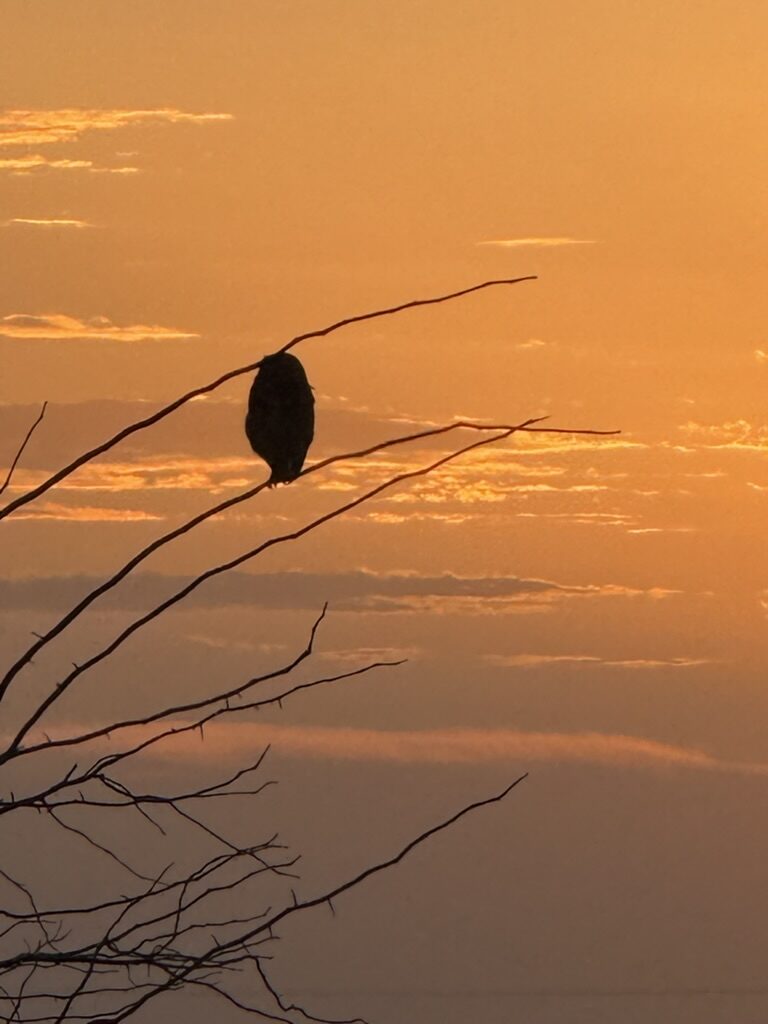
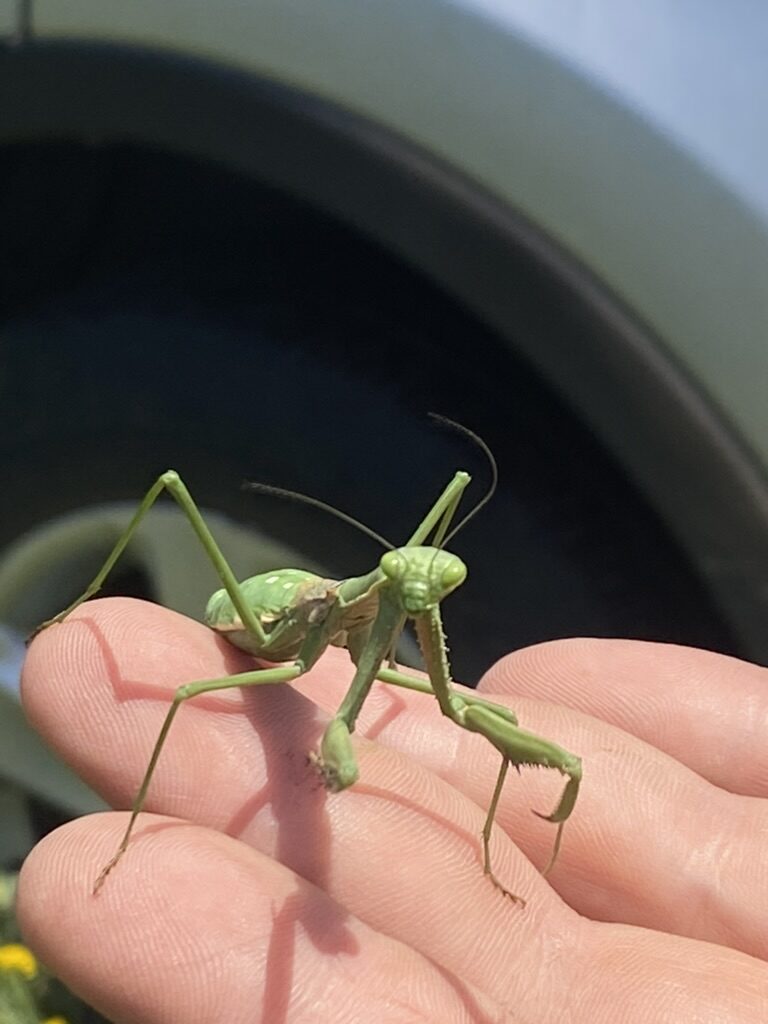
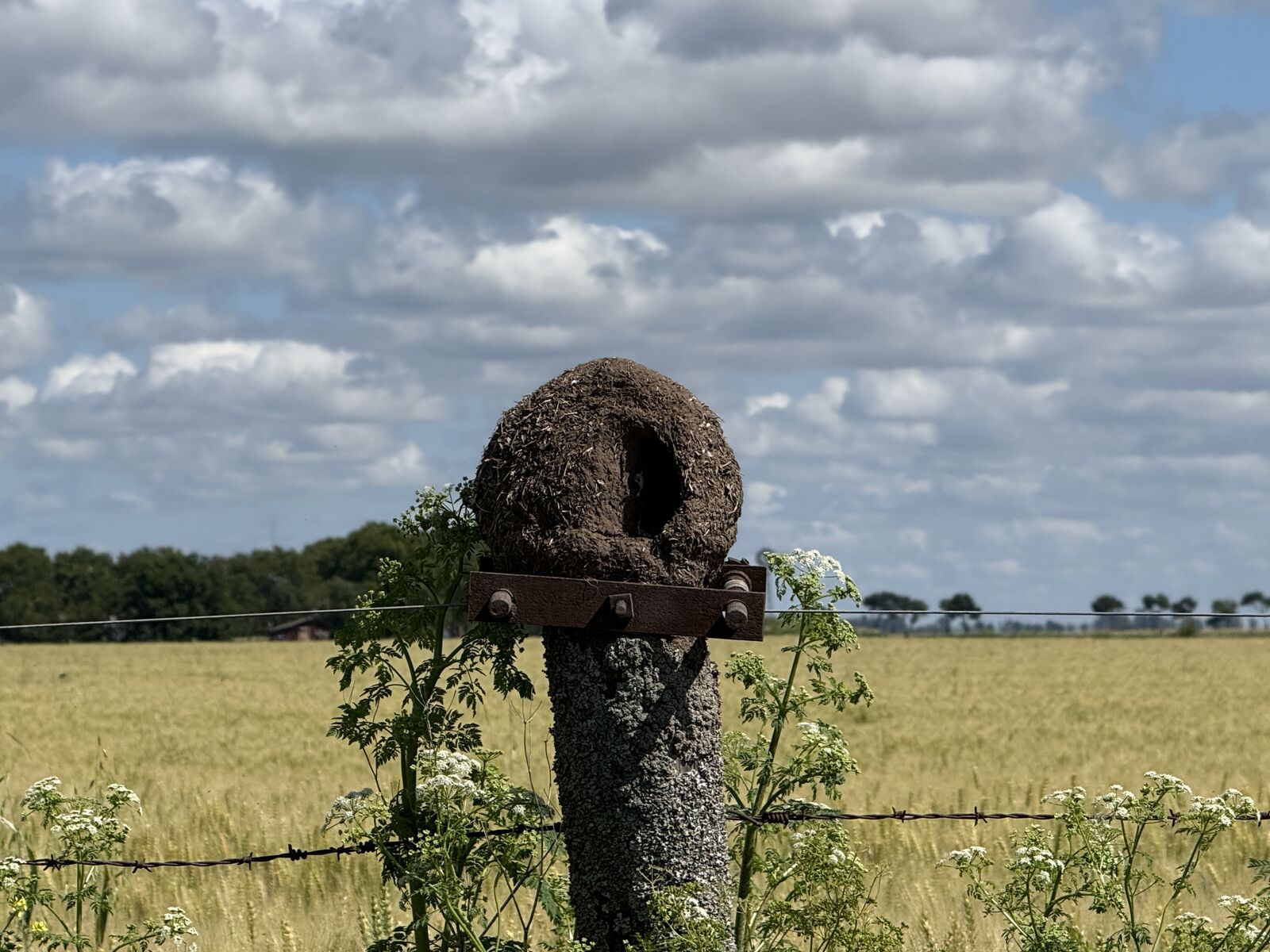
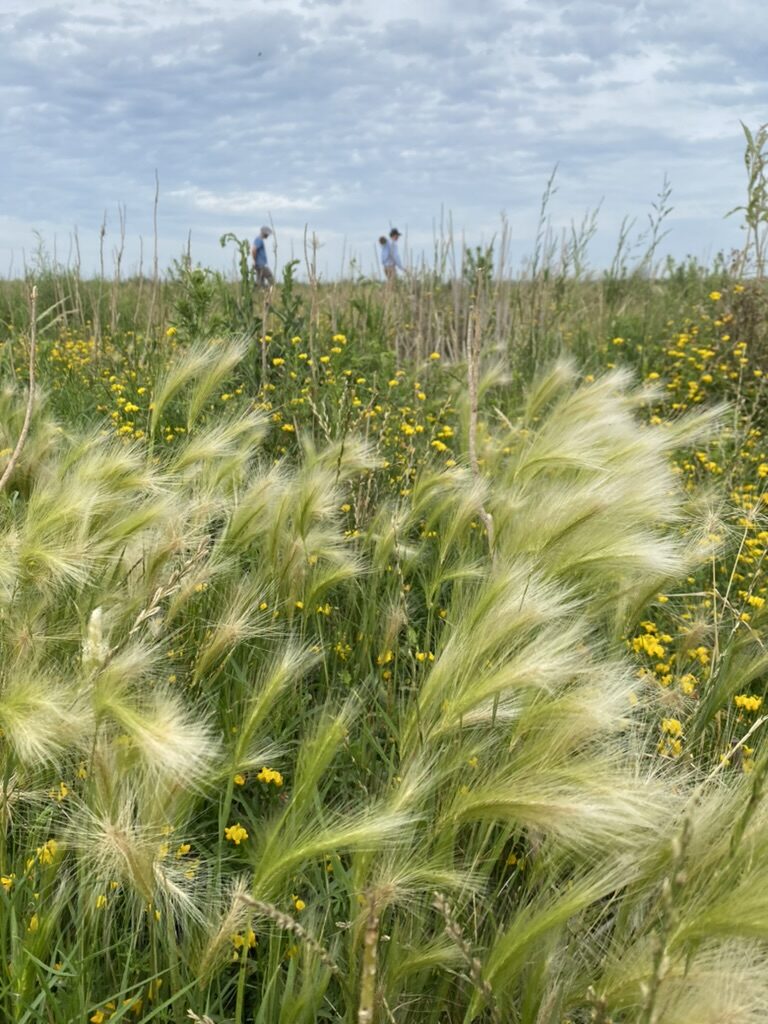
When the soil regenerates, biodiversity returns: birds, beneficial insects and diverse pastures that are the best sign of a healthy ecosystem.
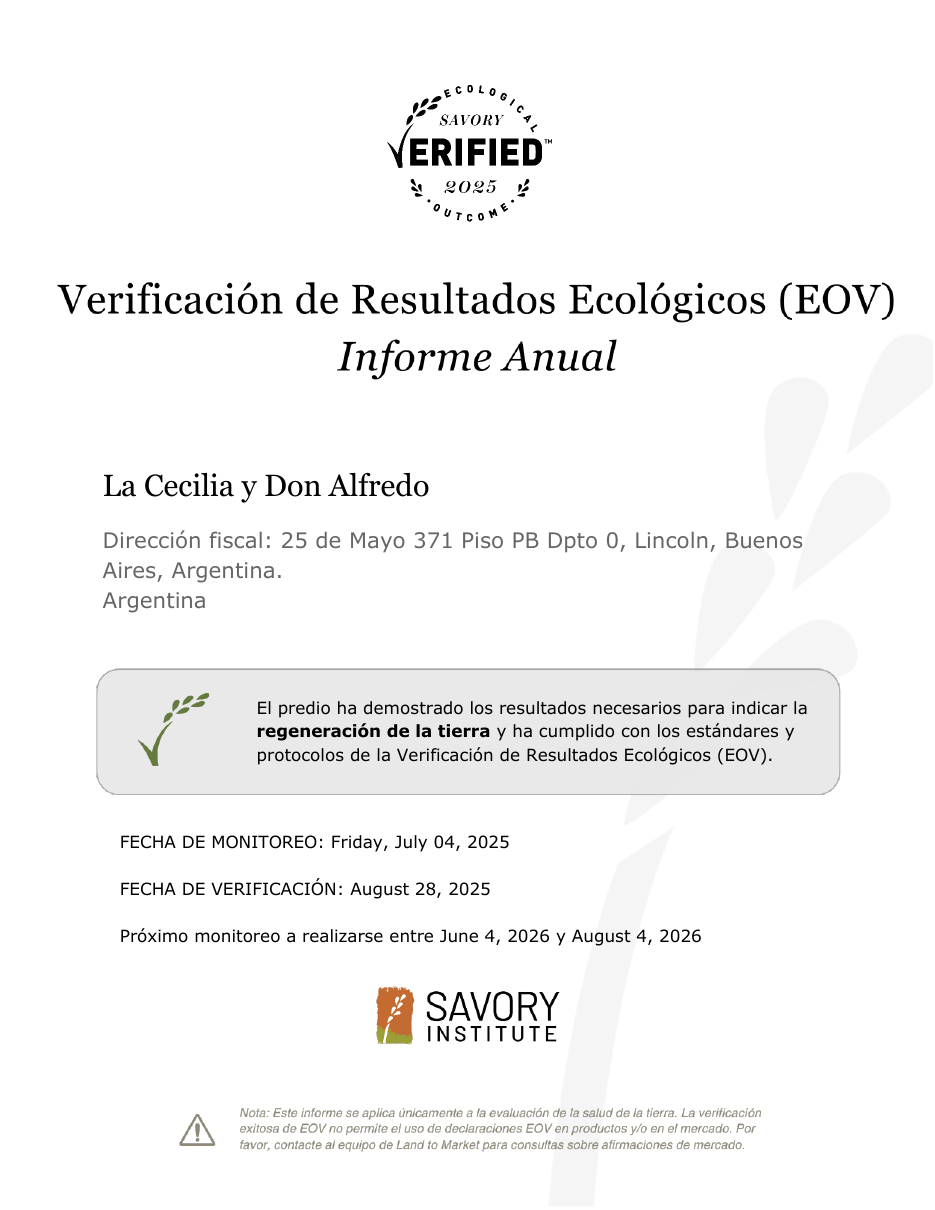
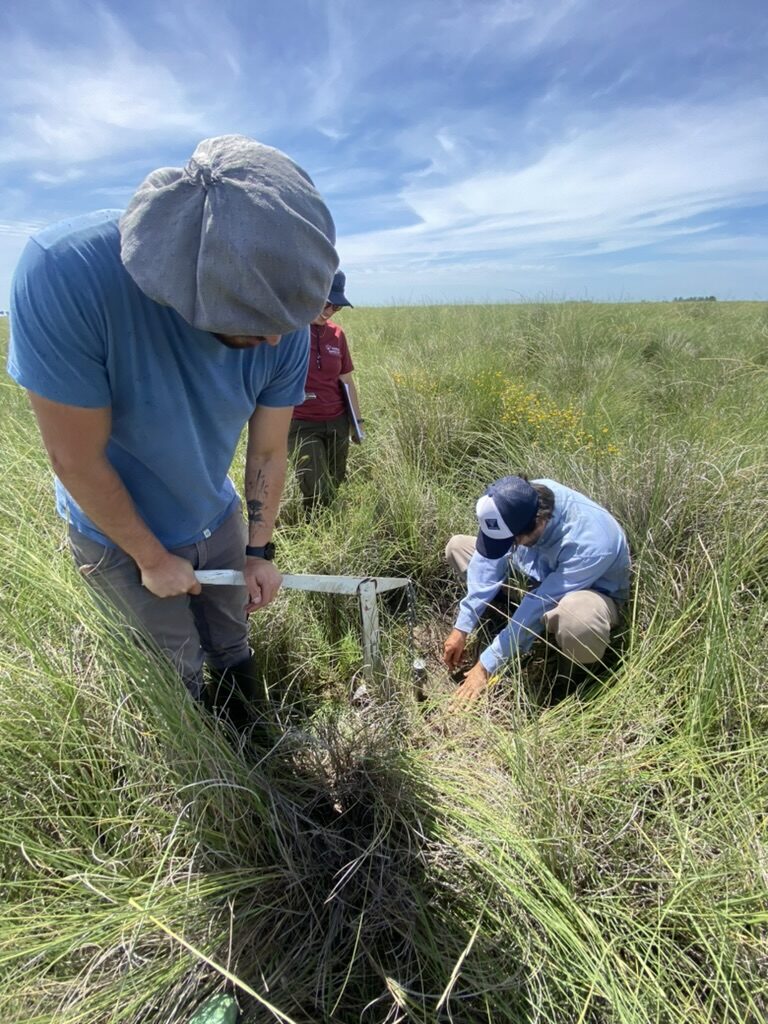
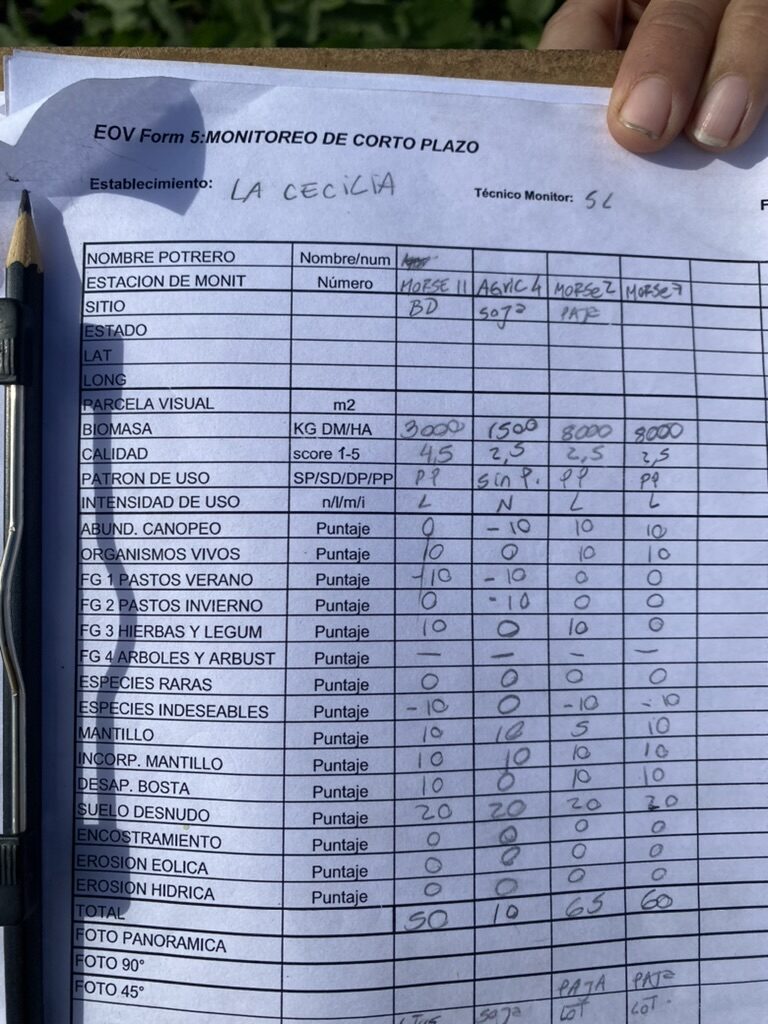
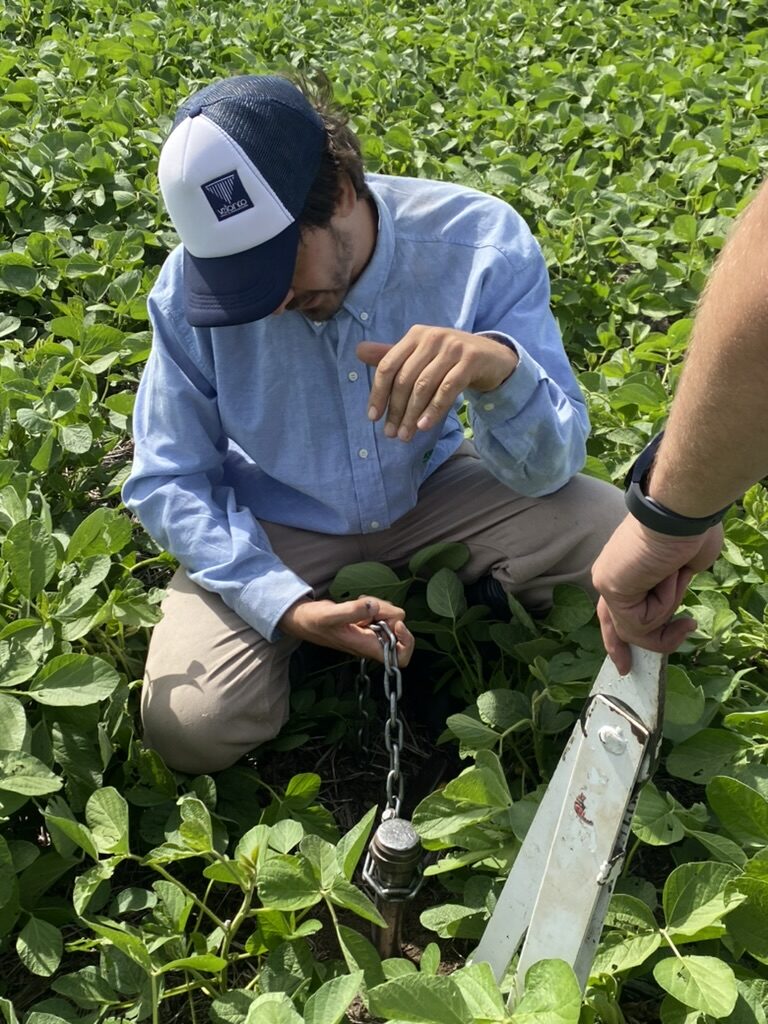
Our La Cecilia and Don Alfredo farms hold the Ecological Outcome Verification (EOV) from the Savory Institute. It's not a marketing promise: it's a field measurement, repeated over time, that confirms the land is regenerating under our management.
Monitoring is carried out annually. The EOV protocol measures real indicators of soil and ecosystem health.
Who we are
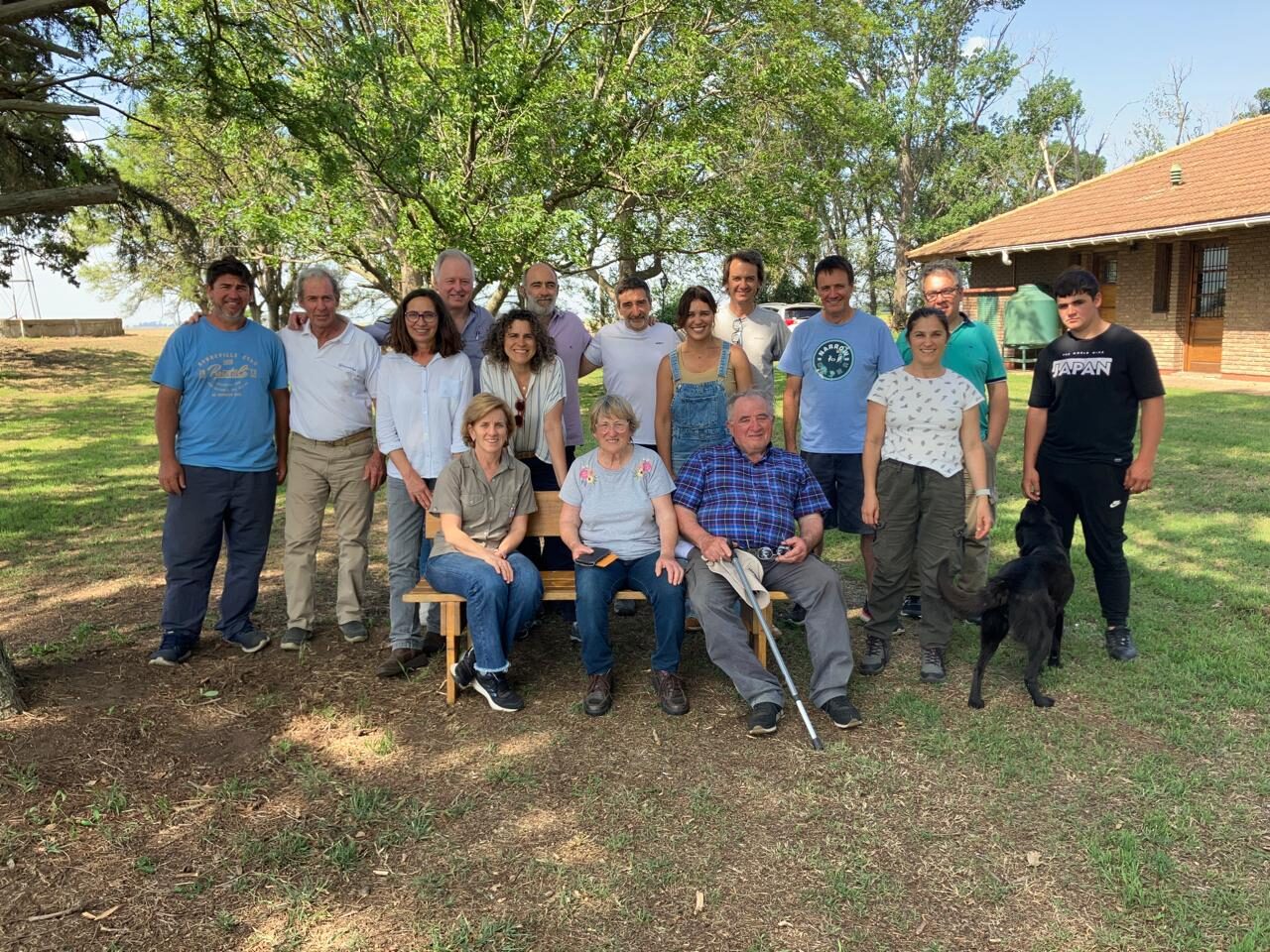
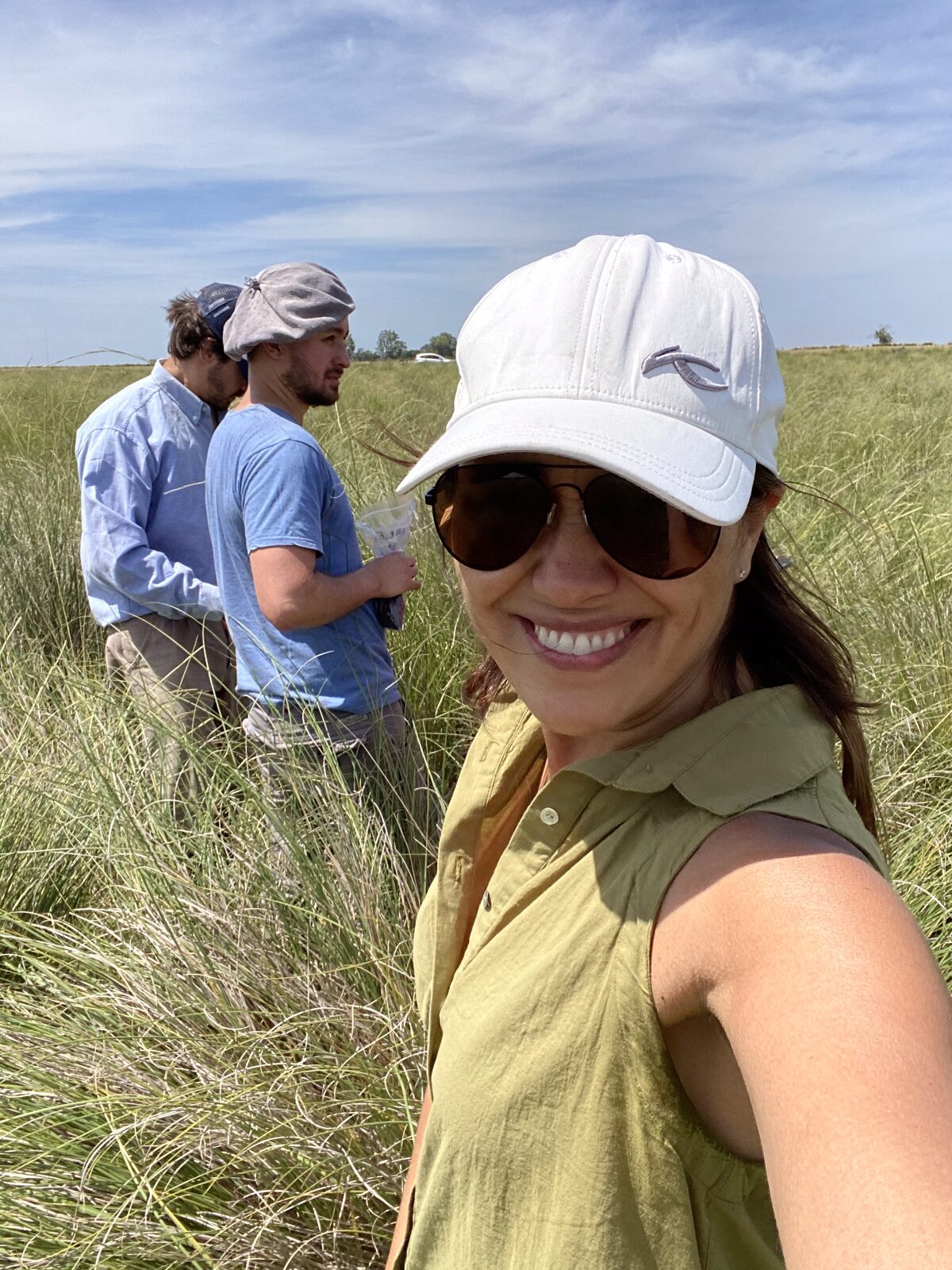
We are an interdisciplinary team with a family legacy behind us: the farm we regenerate today carries decades of work by the Margaria family.
General Director
Leads the project and the transition to the regenerative model, continuing the legacy of her father Néstor.
Field Operations
In charge of day-to-day operations, with 20 years of experience in the company.
Veterinarian
Responsible for herd health and animal welfare.
Agronomist
Design of the integrated regenerative systems: pastures, cover crops and rotations.
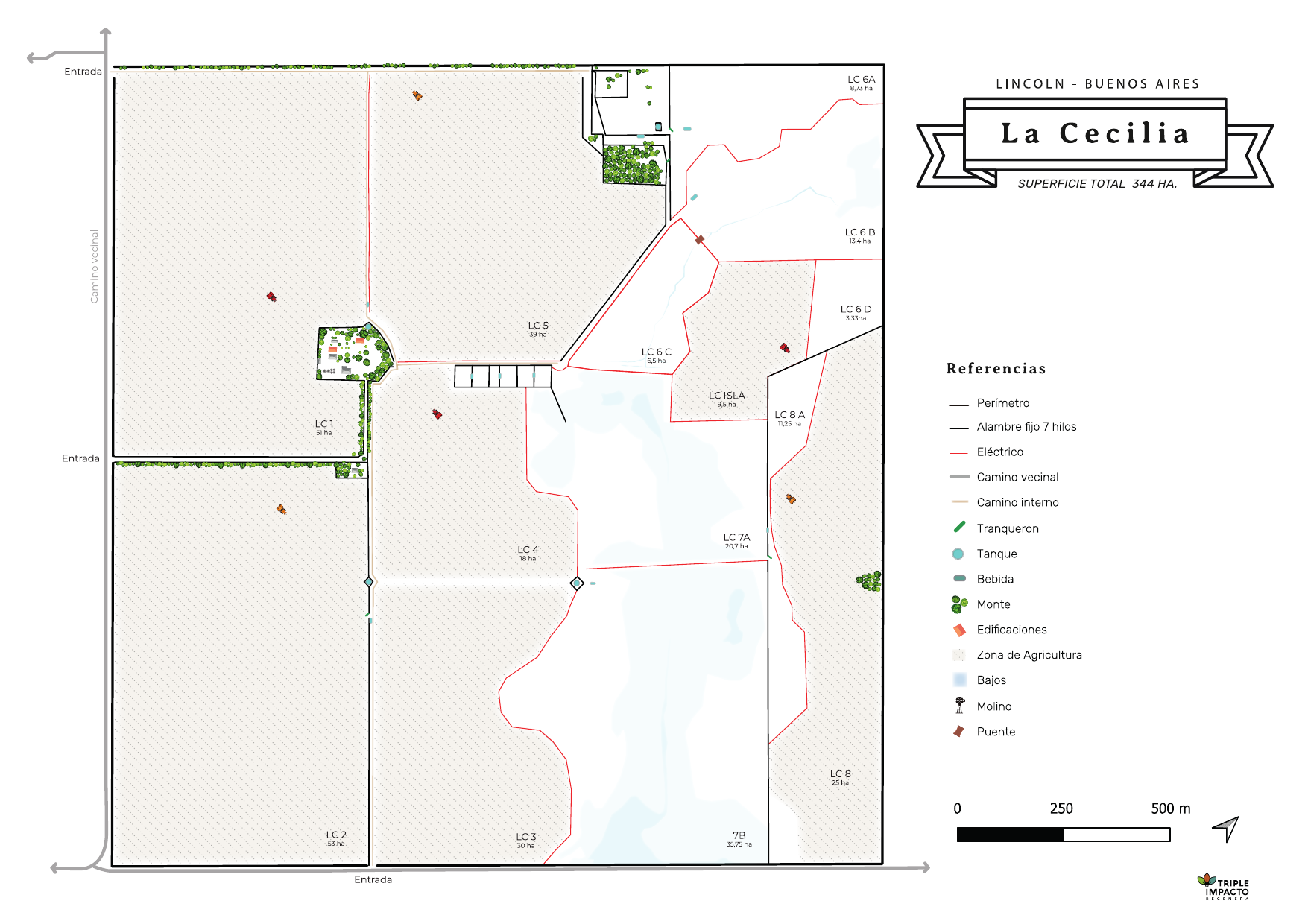
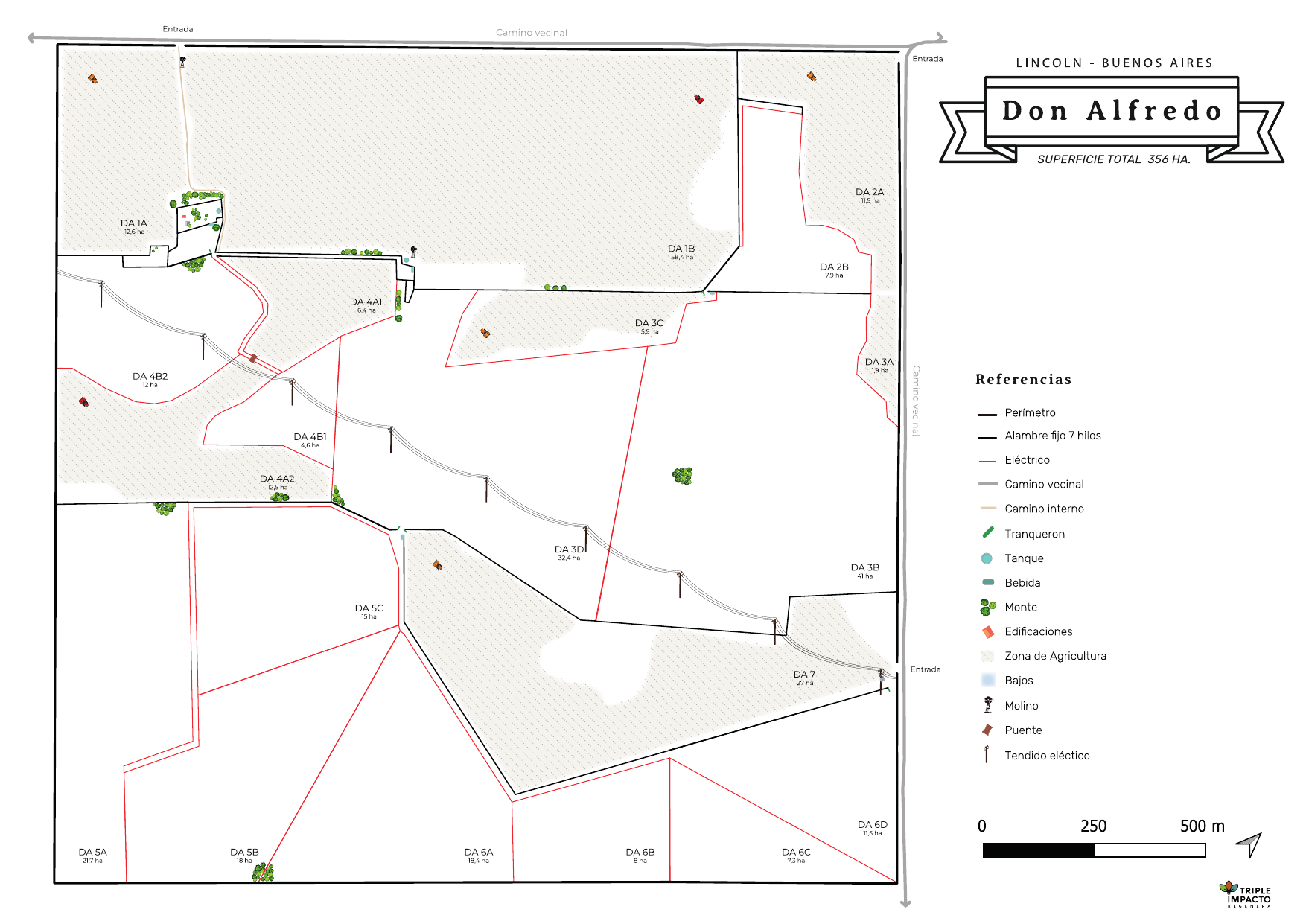
Two units in Lincoln, Buenos Aires province, totaling 700 hectares under regenerative management: La Cecilia and Don Alfredo. Real farms, surveyed and worked every day.
Phos Capital supports us in financial planning and Triple Impacto Regenera guides our strategic vision. We also take part in the Grassfed Argentina Association, the Rural Women's Network and the Horizonte Agroecológico group that emerged from INTA's Cambio Rural program. Our regeneration is verified under the Savory Institute's EOV protocol through the Pampa Oriental Hub.
We are transforming our own farm, and we support other producers and agri-food companies in their transition to regenerative mixed systems: from design to measurement, certification and business.
Diagnosis and a transition plan integrating livestock, crops and pastures.
Planning of herds, stocking rates and pasture recovery for your environment.
Baseline and annual monitoring of soil, biodiversity and water cycle.
Protocols and support throughout the certification process.
Health plans, breeding calendar and FTAI, genetics adapted to the environment.
Cost control, reporting and individual traceability with livestock software.
Capitalization, joint backgrounding and value added at origin.
Training technicians and field staff to sustain the change.
How we work: remote advisory with scheduled farm visits, in Spanish and English. In stages: diagnosis, design, implementation and follow-up.
Tell us about your farm →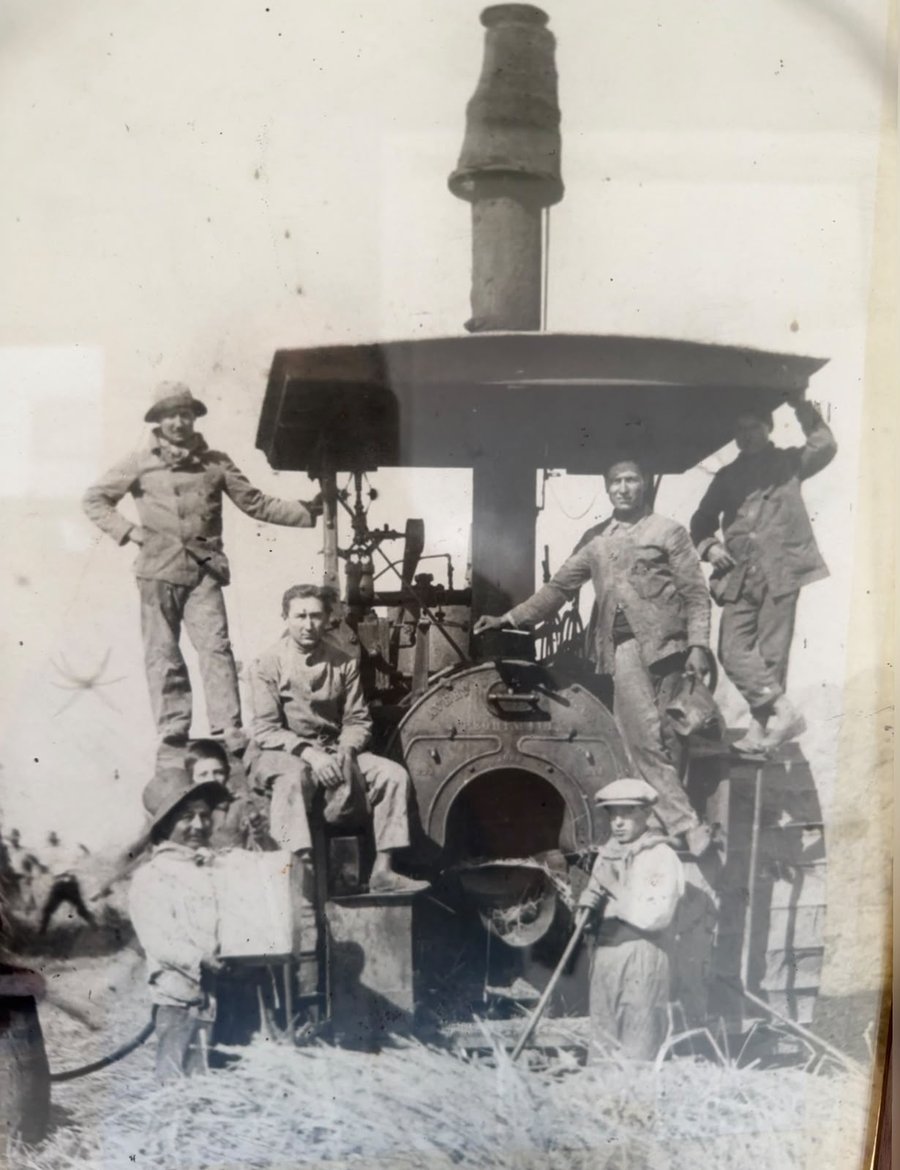
The crew and the threshing machine, in the early years of La Cecilia.
Human to human
Nearly a century ago, my grandfather bought La Cecilia with a loan. But not from a bank: it came from his family doctor, his tailor, the notary and the town's justice of the peace —people who knew him and trusted his word. Over the years, working the land, he paid them back and bought out each share.
What we now call human-to-human financing is our root. That's why we invite you to join across its full spectrum: with your capital, through the fixed return; or by partnering with your cattle, through backgrounding. Different paths, one same idea: people trusting people again.
How to join
It's more than an investment: it's being part of a farm that heals the soil while generating returns. There are three ways to do it.
Not a rancher?
Invest in livestock without owning land or having experience. You put in the capital, which goes toward buying calves, and at the end of the cycle you recover your investment plus the kilos produced, while your money helps regenerate the land.
A breeder-producer?
Add one more stage to your cattle business. You provide the weaned calves, we provide the land, the grass and the regenerative management during backgrounding, and we split the value produced 50/50.
Looking for a fixed return?
Lend your capital to the project at a fixed rate, with better conditions than you'll find in the market. A predictable return that also finances real, regenerative production.
In both models, production risks are borne by the farm. Leave your details and access the full proposal for each option.
Gallery
Native pampas woodland
The pampas espinal —that woodland of caldén, chañar and espinillo trees that once covered the plains— disappeared paddock by paddock over decades of conventional agriculture. At La Cecilia we are bringing it back. And we want you to be part of it.
This is more than planting a tree. Each native we add captures ~15 kg of CO₂ per year, provides shelter for more than 80 bird species of the espinal, and helps rebuild an ecosystem that the pampas lost over decades.
Help us bring back the native trees. Each tree carries your name, forever.
Each tree carries the name of whoever adopted it. A plaque, GPS coordinates, and a spot in the woodland that is yours.
La Cecilia's doors are open. You can come see your tree grow, walk the woodland and see the farm up close.
Each native tree is shelter for birds, insects and local wildlife. Restoring the woodland means restoring the biodiversity the plains lost.
2026 Campaign
100 trees
Native species of the pampas espinal
Regenerative community
Write to us or schedule a coffee with us.
Contact
Want to learn about the project or receive the backgrounding capitalization proposal?